


Planning the perfect 2 week Japan itinerary can feel a little overwhelming and exciting at the same time. There’s so much to see and do and it can be a lot to plan the perfect route if you’ve never visited before. From neon-lit Tokyo streets to serene temples in Kyoto, breathtaking views of Mt. Fuji, and charming villages like Ine Funaya, Japan is a destination that blends modern energy with timeless tradition.
After spending time exploring the country multiple times myself, I’ve put together a detaileditinerary that’s both efficient and flexible. This guide will help you make the most of your two-week trip to Japan, ensuring you don’t feel hurried. Experience the flavors of matcha tea in Kyoto, wander through Arashiyama’s bamboo groves, relish the street food delights in Osaka, and marvel at the breathtaking views around Mt. Fuji.
Whether you’re visiting Japan for the first time or coming back for a more in-depth exploration, this 2-week Japan itinerary is crafted to offer a perfect mix of culture, food, and adventure.
Key Takeaways This two-week route flows Tokyo ? Mt. Fuji/Kawaguchiko ? Kyoto (with Ine Funaya) ? Osaka (optional Nara), balancing big-city thrills, cultural temples, scenic Fuji views, and food-centric neighborhoods without feeling rushed.
You will see famous places in Tokyo like Senso-ji, teamLab Planets, Shibuya Sky, and DisneySea. Also, visit spots near Mount Fuji such as Chureito Pagoda, Oishi Park, and Oshino Hakkai. In Kyoto, don’t miss Fushimi Inari, Arashiyama, Gion, and a tea ceremony. In Osaka, check out Dotonbori, Osaka Castle, and Umeda Sky. You can also discover lesser-known places like Tenku-no Torii and Sanzen-in.
Get ready, everyone—you are going to Japan!
Things to Know Before Traveling to Japan
Key tips: use public transit and IC cards, carry cash and follow etiquette, prebook popular tickets, consider a ryokan with onsen, and rent a car in Kawaguchiko for flexibility. The itinerary minimizes backtracking and leaves room to slow down or add day trips.
- Public Transit is the best way to get around. It’s not only the cheapest option, but it’s probably the fastest too, since the trains operate on a very reliable schedule.
- With the above being said, you must practice Japanese etiquette when traveling on trains and in public. Do not talk loudly, do not take calls, and put your backpack in front of you when it’s a packed train.
- Add a SUICA or PASMO card to your Apple wallet before reaching Japan for convenience.
- Most of Japan is still cash-based. Especially when you visit temples and want to eat street food. Make sure to have some cash on hand at all times.
- It’s hard to find public trash cans. However, we found most of them next to vending machines. Just in case make sure to carry a small bag with you to dispose of your trash. Or just eat at sit-down restaurants.
- It’s considered rude to eat on the go. Even drinking coffee while walking can be frowned upon. So embrace the culture and enjoy your food and drinks where you purchase them.
- Tipping is not customary in Japan. Great service is provided ALWAYS and it can be considered rude to tip so don’t!
- If you are planning on visiting multiple cities, research to see if a Japan Rail Pass is worth it. If you plan on using the JR line multiple times it may be so make sure to check the JR Pass calculator before traveling.
Day 1-4: Tokyo
While all opinions and recommendations are always my own, my content on this blog post may contain affiliate links for hotels I’ve traveled to, tours I’ve completed, and products I recommend. This means I get a small commission (at no additional cost to you) if you book a stay or purchase a product after clicking one of these links. As always, I am so thankful for your support to continue offering free resources.


Arrive in Tokyo and check into your hotel in Shinjuku or Shibuya, the perfect base for exploring the city. We personally stayed in Shinjuku and loved the convenience of this home base. We personally stayed at the Daiwa Roynet Hotel. It was clean, affordable, cozy, and close to the train station!
Spend your first evening wandering the vibrant streets, taking it all in, and enjoying a delicious bowl of ramen to kick off your trip. Our personal favorite spot in Tokyo is called Udon Shin. The only catch is you have to grab a ticket in the afternoon to experience dinner. If you have time to pop in there before heading to your hotel you won’t be disappointed, promise!
Day 2: Senso-ji, Tokyo Tower, Meiji Jingu


On your second day in Tokyo, dive into a perfect mix of tradition, modernity, and indulgent treats. Begin your morning at Senso-ji Temple in Asakusa. It is Tokyo’s oldest and most famous temple. Here, you can see the bright red gate and take a walk around the area.
From there, be sure to stop for Hat Coffee for 3D latte art, a whimsical treat that’s almost too cute to drink. It’s best to make reservations at this place prior to visiting but you can always try your luck at popping in. Then head to the Tokyo Tower for breathtaking panoramic views of the sprawling city below.
We experienced the Diamond Tower Tour and it was so incredibly lovely. Being up on top of the tower with minimal crowds truly made the experience that much better. All while giving you a true sense of Tokyo’s scale and energy. After taking in the skyline, make your way to Harajuku, where the quirky fashion, colorful street art, and boutique shops offer endless exploration. This area is quite touristy but needs to be witnessed by everyone visiting Japan!


Next, visit Meiji Jingu Shrine, a peaceful oasis tucked within a forested area, where you can take a quiet stroll along the gravel paths, admire the massive torii gates, and experience a serene contrast to Tokyo’s bustling streets. The nature in this park is quite astounding being that it’s in the middle of a city. Finally, make sure to stop at the Sake Gate while visiting, it makes for the perfect backdrop to photos.
Day 3: teamLAB + Shibuya


On day three, dive into Tokyo’s modern and futuristic side, starting with the immersive digital art at teamLab Planets. This unique experience lets you enter art that moves all around you. The floors turn into water, the walls transform into interactive displays, and each room feels like entering a different world.
While Tokyo also offers teamLab Borderless, I highly recommend teamLab Planets for a first-time visit. Particularly for the breathtaking Orchid Room, where thousands of flowers bloom and change with the light in a mesmerizing display. Make sure to book your tickets in advance, as it can get very busy, especially on weekends.
End your day in Shibuya, the city’s electric heart, and immerse yourself in the iconic energy of Shibuya Crossing, where hundreds of people cross at once in a mesmerizing flow. I must have crossed it over 20 times in my 2 visits, it’s truly exhilirating. The surrounding area has great vintage shopping, ramen spots, and a huge Don Quixote which is the famous store to buy anything you might need for the trip or to take home.

Cap off the day with a visit to Shibuya Sky. The open-air observation deck atop Shibuya Scramble Square, where you can enjoy sweeping views of Tokyo. It’s most popular to visit during sunset. We witnessed the prettiest one ever with Mt Fuji popping up in the background. My best advice is to book this ticket as soon as possible because sunset times sell out quickly. We weren’t able to snag a sunset slot, but we waited up there for two hours and it was worth every minute. Watching the city lights flicker on as evening falls is absolutely magical!
Day 4: Tokyo DisneySea


Day four is reserved for a magical experience at Tokyo DisneySea. Where you can spend the entire day exploring themed ports, thrilling rides, and spectacular shows. This park is unlike any other Disney park in the world. So I definitely recommend a visit to DisneySea over Disneyland (sadly there are no park hopper tickets). There are so many unique food offerings and multiple flavors of popcorn. The gyoza dog is highly revered and for good reason – it’s delicious. Finally, some rides you simply can’t miss are Soarin, Journey to The Center of the Earth, and Tower of Terror.
For more recommendations in Tokyo and another idea for day four for my friends who don’t want to go to Disney, see my detailed four-day plan below.
Day 5–7: Mt. Fuji (Kawaguchiko)

On day five, leave Tokyo behind and head toward the stunning Mt. Fuji region. The best way to get to Mt. Fuji is by taking the shinkansen to Kawaguchiko. Make sure to sit on the right side of the train for views of Mt Fuji. That is if she decides to come out. Unfortunately, you only have an 20% chance of seeing her so consider yourself very luck if you do.
Once you arrive I highly recommend renting a car if you feel comfortable. While you do need to drive on the opposite side of the road, it gives you the flexibility to explore at your own pace. As the buses can get quite packed in this region of Japan. Finally, there is a rental car shop right in the parking lot of the train station so it’s super convienient.
Day 5: Travel + Chureito Pagoda

One of the most iconic photo opportunities in the area is Chureito Pagoda. A five-story pagoda framed by cherry blossoms (or lush greenery, depending on the season) with Mt. Fuji rising majestically in the background. It’s quite a trek to get up to the viewpoint (roughly 300 stairs) but the view from the top cannot be beat. There was free parking in the area and be prepared for crowds. Nonetheless, it was one of my favorite spots we visited on this trip!
From there head to Oshino Hakkai is a charming set of eight ponds in the small village of Oshino. Nestled between Lake Kawaguchiko and Lake Yamanakako. These ponds sit on the site of what used to be a sixth lake that dried up hundreds of years ago. What makes them so special is the water itself. It comes from snowmelt on Mount Fuji that slowly filters through the mountain’s lava for over 80 years. Which gives the ponds their famously clear spring water.
Locals revere it, and you can even sip straight from the source at one of the ponds for a taste of Fuji. Oshino Hakkai is popular with tourists and can be crowded. However, it still feels calm and nice. There are a few authentic Japanese lunch spots in this area and you definitely should try one.
After a long travel day, check into a traditional ryokan with onsen access. We highly recommend Fuji View Hotel where you can unwind while gazing at Mt. Fuji from the hot springs.
Day 6: Lake Kawaguchi


Wake up early to catch Mt. Fuji in the soft morning light. Perhaps while enjoying a dip in your ryokan’s onsen. If you’re in Kawaguchiko, renting bikes to circle Lake Kawaguchi is a fantastic way to experience the area, with picturesque reflections of Fuji on calm waters. Not only that but charming lakeside cafés along the route.
From there drive on up to the hidden gem of Tenku-no Torii. A beautiful Torii gate in the sky. You do need to pay a few yens to experience this but the it truly is such a sight to behold. Don’t attempt to visit this spot without a car as it could be very dangerous to hike up that hill!
Then it’s time to explore Oishi Park. The park sits right on the northern shore of Lake Kawaguchi and offers stunning views of Mt. Fuji framed by seasonal flowers, from vibrant lavender in the summer to fiery maple leaves in the fall. It’s the perfect spot to take a leisurely stroll, snap some photos, and really soak in those classic Fuji views. And yes, you have to stop for ice cream while you’re there. I promise it’s the best ice cream I’ve ever had.
Day 7-10: Kyoto

Travel + Exploring Kyoto (Day 7)
After you take the Shinkansen from Kawaguchiko Station to Kyoto Station, the trip takes about 3 to 4 hours. When you arrive, you will be in a city full of history and culture. In order to base yourself in Kyoto you have a few options.
If you’re looking for luxury and seclusion than consider Four Seasons Kyoto. The property is located in a beautiful area with bamboo paths and koi fish ponds. The beds are very comfortable. Book your stay here!
Of you’re looking for a more authentic experience than consider staying at Kyoto Granbell in the Gion district. It’s a bit more centrally located, budget-friendly, and incredibly cozy. Book your stay here!
Check into your hotel. Then, head to Kiyomizu-dera. It is a beautiful temple on a hillside. You will see great views of the city from there. Plan to spend an hour or two here there is a small fee to enter.


Take a walk in the Higashiyama District. You will see old wooden shops, cafés, and small stores. It is a nice place to spend a relaxed afternoon and enjoy the feel of old Kyoto. Some of my favorite shops include Kyoto Coffee, Arabica, and you absolutely cannot miss the famous Yasaka Pagoda. Finally, I highly recommend booking a traditional tea ceremony in the area to really immerse yourself in the culture. It was another highlight of our trip!


If you have more time use it to explore a hidden gem, Nanzen-ji temple which is especially beautiful in the fall. You can also visit Nishiki Market for a fun food experience. Finish your evening with Ichiran Ramen. It’s a great place for introverts because you don’t have to talk to many people while you eat.
Day 8: Northern Kyoto and Gion
Begin your day at the famous Fushimi Inari Shrine. Walk along the long path of bright red torii gates that go up the lush hill. It’s quite a remarkable view and is best enjoyed at sunrise when there are fewer people since it tends to be very crowded otherwise. However, the further you walk up the less crowds there are. The full hike takes about 1.5 to 2 hours to complete.

Then in the afternoon head to Northern Kyoto, where you can admire the serene beauty of Kinkaku-ji (Golden Pavilion), a Zen temple coated in gold leaf and reflected perfectly in the surrounding pond. While I enjoyed this beautiful temple if you’re not a fan of crowds I would recommend skipping it.
It was the busiest place we experienced on our trip. Furthermore, a bit further North is a hidden gem that is much more worth a visit. It’s called Sanzen-in Temple and was so incredibly peaceful. We booked a tour through Klook and it covered both of these temples in one afternoon.


In the evening, head to the historic Gion district for a chance to spot geisha gracefully walking through the lantern-lit streets. Gion, known for its graceful buildings, classic teahouses, and the gentle shimmer of night lights, stands as one of Kyoto’s most enchanting areas to visit once the sun goes down. For dinner, make sure to stop at Chao Chao dumplings – so incredibly delicious!
Day 9: Arashiyama Adventure
Set aside a full day for a trip to Arashiyama, one of Kyoto’s most picturesque and culturally significant areas, and a personal favorite of mine. Begin your morning with a walk through the famous Arashiyama Bamboo Grove. Where towering green stalks sway gently overhead and create a serene, almost otherworldly tunnel. It get’s extremely busy here but don’t worry there is a hidden gem below that you’re not going to want to miss!


Afterward, head deeper into the quieter side of Arashiyama to explore two hidden gems often overlooked by visitors. The first is Adashino Nenbutsu-ji, sometimes called the “Bamboo Temple,” which is home to thousands of stone statues honoring souls of the dead. They also have a beautiful bamboo grove that feels much more secluded than the main Arashiyama path.
Just a short walk away is Otagi Nenbutsu-ji, a quirky and charming temple filled with over 1,200 stone statues of rakan (disciples of Buddha). Each is carved with distinct expressions, ranging from laughter to deep thought, making it one of the cutest and most whimsical spots in Kyoto.
From there, don’t miss a visit to the Hozu River and walk along the promenade. You will find Arabica Kyoto Coffee. While the coffee is legendary I would skip it if the line is too long because this area has so much to offer and I wouldn’t want you wasting your time in a queue. Furthermore, it’s better to spend your time booking a traditional boat tour instead!
After a day filled with temples, bamboo, and nature, return to Kyoto for the evening. End your day with a meal at a nearby restaurant, maybe experiencing Kyoto-style kaiseki cuisine or relaxing at a ramen shop. Afterward, enjoy a peaceful walk along the Kamo River as the city begins to wind down.
Day 10: Ine Funaya – A Fishing Village Escape


On day ten, head to Ine, a picturesque fishing village famous for its funaya, traditional boathouse inns that sit right on the water. You can visit for the day or stay overnight. Walk by the harbor, enjoy the peaceful views, and eat fresh seafood at a local restaurant. You can take the train from Kyoto and the journey is only an hour and a half.
Staying in a funaya is a special experience. You can watch the sun rise over the water from your room. This charming and peaceful place in Japan makes you feel relaxed and connected to nature. For planning reasons, it’s better to book a day trip through Klook. This way, you won’t have to stress about getting to this faraway place.
Finally, if you’re booking a tour pick one that visits Amanohashidate is on the way. It has some of the prettiest views with a unique amusement park you have to take a chairlift to get to.
Last Stop: Osaka (Day 10-13)


Day 11: Relax + Dontonbori
Spend your final morning in Kyoto at a slower pace—perhaps enjoying a leisurely breakfast or one last stroll through the city’s charming streets. Before heading off on the final leg of your journey. The trip from Kyoto to Osaka is a breeze, with the Shinkansen whisking you between the two cities in just about 20 minutes.
After checking into your hotel, dive straight into the heart of Osaka by exploring the lively Dotonbori district.
Recognized as Japan’s kitchen, this lively district is full of neon lights, vibrant energy, and countless chances to enjoy the renowned street food of Osaka.
Try local dishes like takoyaki (octopus balls) and okonomiyaki (savory pancakes) as you walk through the busy streets. And don’t forget to snap a photo at the iconic Glico Man sign, a symbol of Osaka’s playful spirit and one of the city’s most recognizable landmarks.
Day 12: Osaka Castle + Umeda Sky Building


Begin your day in Osaka with a visit to the iconic Osaka Castle. One of the city’s most recognizable landmarks. Arriving in the early morning is ideal. The grounds are peaceful, the air is fresh, and if you’re lucky, the calm waters of the surrounding moat will perfectly reflect the castle’s striking white walls and green rooftops. It’s a serene and photogenic way to start your day while connecting with a piece of Japan’s feudal history.
From there, make your way to the Namba Yasaka Shrine, a hidden gem tucked away in the busy Namba district. What makes this shrine so unique is its giant dragon-shaped stage, with the open mouth symbolizing the swallowing of evil spirits and the promise of good fortune. It’s one of the most unusual and memorable shrines in the city, and a quick stop that’s well worth your time (and free to visit).
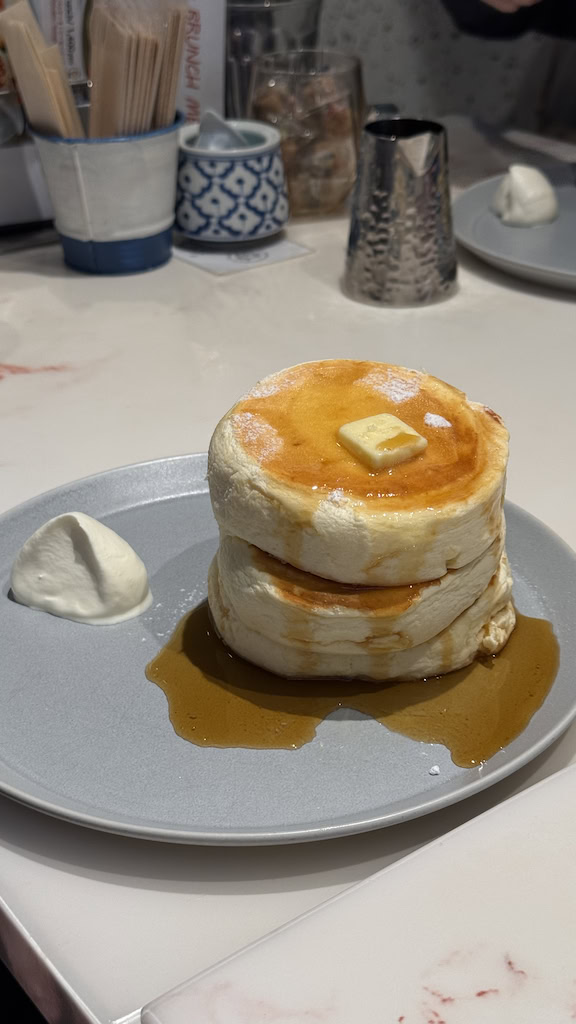
Next, treat yourself to one of Japan’s most beloved indulgences: soufflé pancakes. Head to Micadesco Café, where these fluffy, cloud-like stacks are served with creative toppings that are as beautiful as they are delicious. The experience feels more like eating a dessert than breakfast, and it’s the perfect way to fuel up before continuing your day.

In the evening, end your Osaka adventure at the Umeda Sky Building, one of the best places to watch the sunset in the city. The observation deck offers sweeping 360-degree views, and as the sun dips below the horizon, you’ll see Osaka’s skyline sparkle to life. It’s a mesmerizing reminder of just how vast the city is. For a special keepsake, consider purchasing a love lock. Where you can engrave a message or names and attach it on the rooftop as a memento of your visit.
Day 13: Free day in Osaka or Day Trip to Nara


For your last full day in Japan, you can either keep things low-key and enjoy the city at your own pace. Maybe exploring more of Dotonbori, shopping in Shinsaibashi, or café hopping. If you want one last adventure let me sway you to visit Nara Park. One of the most magical day trips in Japan.
Nara is famous for its friendly, free-roaming deer that bow politely in exchange for special deer crackers (shika senbei) you can buy around the park. It’s such a unique experience—kneeling down, offering a cracker, and watching as the deer actually lower their heads in a little bow before gently taking the treat from you. Beyond the deer, Nara is also home to stunning cultural sites like Todai-ji Temple. Where you’ll find a giant bronze Buddha statue. Whether you spend the day soaking up Osaka’s vibrant energy or head to Nara for a more peaceful, nature-filled experience, it’s the perfect way to round out your Japan adventure.
Japan is a country that blends tradition and modernity seamlessly. From Tokyo’s energy to Kyoto’s temples, every stop feels special. Mt. Fuji offers peace, while Osaka brings food and nightlife excitement. Arashiyama and Ine show Japan’s quieter beauty. Each destination adds a different layer to your journey. Take it all in fam because it’s one of the most beautiful places you will visit. With this Japan 2 Week itinerary, you’ll see so much variety.
Frequently Asked Questions
What’s the overall structure of this 14 days in Japan itinerary, and why doesn’t it feel rushed?
Short answer: The route flows Tokyo ? Mt. Fuji/Kawaguchiko ? Kyoto (with an excursion to Ine Funaya) ? Osaka (with an optional Nara day trip).
It balances big-city energy with nature and tradition: Tokyo’s icons (Senso-ji, teamLab Planets, Shibuya Sky, DisneySea), Kawaguchiko’s Fuji views (Chureito Pagoda, Oishi Park, Oshino Hakkai), Kyoto’s temples and neighborhoods (Fushimi Inari, Arashiyama, Gion, tea ceremony), Ine’s waterfront boathouses, and Osaka’s food-and-nightlife highlights (Dotonbori, Osaka Castle, Umeda Sky).
Full or half-day blocks minimize backtracking, and the plan stays flexible so you can linger at favorites without cramming.
What should I book in advance to avoid missing out?
Short answer: Secure tickets early for teamLab Planets and Shibuya Sky (sunset slots sell out fast). Consider reserving the Tokyo Tower Diamond Tour, a traditional tea ceremony in Kyoto, and Tokyo DisneySea.
If you want Udon Shin in Tokyo, grab the same-day ticket in the afternoon for dinner. Popular viewpoints and exhibits book up, and a ryokan with onsen in Kawaguchiko is worth arranging ahead of time.
Is a Japan Rail Pass worth it for this itinerary?
Short answer: It depends on your exact train usage. If you’ll ride JR lines multiple times across cities (e.g., the intercity legs in this route), it may pay off—use the JR Pass calculator before traveling to confirm.
For local subways and buses, you’ll still use IC cards like SUICA or PASMO, so run the numbers based on your planned rides.
What’s the best way to experience Mt. Fuji around Kawaguchiko-and should I rent a car?
Short answer: Head to Kawaguchiko (sit on the right side of the train for possible Fuji views), but know the mountain only shows about 20% of the time—mornings can be best. Renting a car at the station is highly recommended: buses get crowded and driving gives you flexibility to reach spots like Chureito Pagoda (about 300 stairs, free parking), Oshino Hakkai’s crystal-clear ponds, Oishi Park’s flower-framed Fuji views, and Tenku-no Torii (don’t attempt the steep hill without a car). Biking around Lake Kawaguchi is also lovely on calm days.
What practical etiquette and money tips should I keep in mind in Japan?
Short answer: Use public transit—it’s fast and punctual—and follow etiquette: stay quiet, don’t take calls, and wear your backpack on your front if trains are crowded. Add SUICA or PASMO to your Apple Wallet before arriving, and carry cash (especially for temples and street food). Trash cans are scarce; use ones near vending machines or carry a small bag. Don’t eat or drink while walking, and don’t tip—great service is standard and tipping can be seen as rude.
Remember to take your time, embrace each moment, and let Japan’s magic unfold. Fore more of my Japan Guides head to my Japan Travel Page.
XX,
Courtney


Leave a Reply